To Connect or to Hold On?
Note: This article openly discusses some scenes from the film, particularly developments involving MJ. If you haven’t seen the film yet, please be aware of this before continuing.
The Duality of Forgetting
Have you ever paid attention to which heroes people love?
If we asked someone which hero they love, we would actually be asking something about themselves as well. Because we don’t love heroes simply because they are powerful. Sometimes we see, in their faces, a possibility we wish we could see in ourselves; sometimes, a side of ourselves we didn’t even know was there. Our shadow side.
The first thing Spider-Man: Brand New Day made me think about was “forgetting.” But as the writing progressed, I realized that the real question lies somewhere else:
Whether we forget or remember, we eventually arrive at the same question: What kind of claim do we have over the person we remember?
In Peter Parker’s story, forgetting is not a simple form of salvation. Forgetting something can sometimes seem like a way of escaping it. But does a person really become free when they forget?
Or do some things gain meaning not when they are forgotten, but when they are remembered?
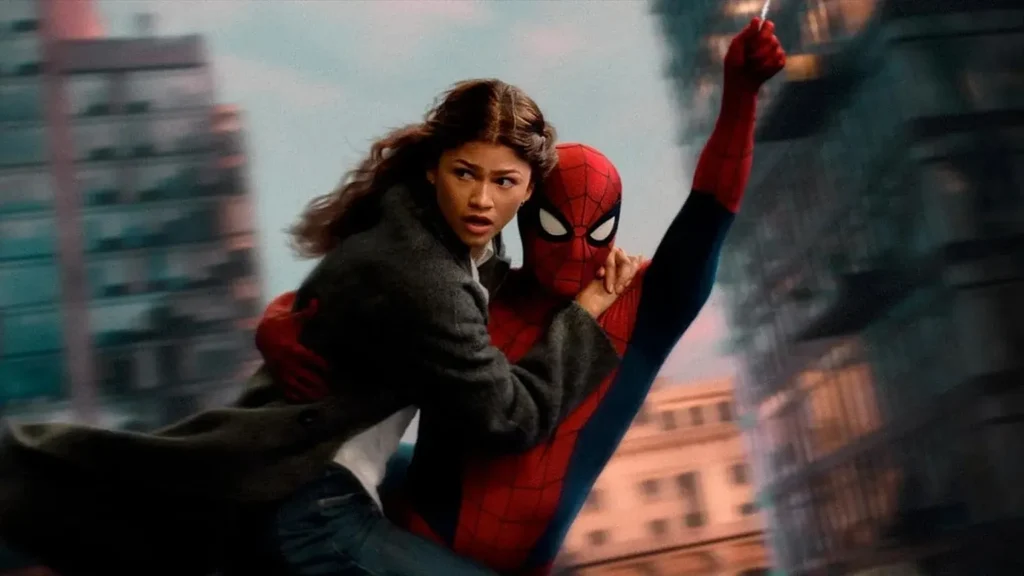
Peter remembers MJ.
But MJ doesn’t remember him.
The entire emotional weight of the film exists within this asymmetry.

Facing the Shadow
When I look at Spider-Man, what interests me most is that he is not a perfect hero. Peter Parker is afraid, he makes mistakes, he loses, he longs. While trying to save the world, he is also trying to make sense of his own life. Peter is still there beneath the mask.
And that is precisely what makes him so human:
Being a hero does not mean giving up being human.
Jung’s concept of the “shadow” opens an interesting door here. The shadow carries the parts of ourselves we do not want to see, the parts we suppress or struggle to accept. But the shadow is not only darkness.
Sometimes it is our fear, sometimes our jealousy, sometimes our loneliness, and sometimes a past we do not want to lose.
We come to know ourselves not by destroying our shadow, but by confronting it.
Peter Parker’s shadow feels somewhat like this to me. Peter who doesn’t want to lose, Peter who longs, Peter who clings to the past, Peter who asks himself, “Why am I not the one?”
Being a hero is not about not having these feelings.
It is about learning what to do with them.
To describe the shadow only as vulnerability would make it too comforting. What makes Jung’s concept unsettling is that what we find there is often something we do not morally like about ourselves.
There is more than longing in Peter’s shadow.
There is also a part of him that does not want MJ to be happy.
Seeing the person we love doing well without us can awaken a quiet sense of betrayal within us:
If we were really that important, how can that life exist without us?
It is difficult to admit this because it damages our belief in the goodness of our love. No one wants to admit that they imagine the life of someone they love as incomplete without them.
Yet this is exactly what confronting the shadow means:
Seeing that beneath our good intentions, there may also be a desire that competes with the happiness of the person in front of us.
Peter’s real challenge is not to destroy this desire, but to prevent himself from confusing it with love.
Reading Peter’s shadow only through love and jealousy would still be incomplete. Because what separates Spider-Man from other heroes is not his power first, but the burden that comes with that power.
Since Uncle Ben’s death, Peter’s story has been the story of someone who knows that every time he gets close to the people he loves, he puts them in danger.
That is why MJ not remembering him is not merely an emotional loss; perhaps it is the quietly paid price of that burden.
Peter lives inside a sacrifice he cannot explain to anyone — and being unable to explain it is also part of that sacrifice.
Joseph Campbell’s ideas about the hero’s journey also gain meaning here. The hero’s journey is not merely an adventure that takes place outside. The hero leaves the world he knows, passes through trials, and returns no longer as the same person.
The greatest challenge in Peter’s journey is not always defeating an enemy.
A person’s greatest struggle is often learning how to live with themselves.
To Love or to Possess?
Peter still remembers MJ.
The story they once shared now exists only in his memory. Then he goes to see her.
But MJ has another life now.
There is someone else.
The weight of the scene begins right there.
Because sometimes we realize that we have lost someone not at the moment we lose them, but when we see that their life continues independently of us.
And we ask ourselves:
If the person we love is no longer with us, do we have to stop loving them?
Let’s ask the harder question:
If there is someone else in the life of the person we love, can we still love them?
One of the hardest parts of love begins here.
The boundary between love and possession is thinner than we think.
To love someone may mean wanting them to be with us. But to possess them means wanting their life to continue in the way we want it to.
One seeks closeness; the other claims ownership.
The difference may seem small, but it is large enough to change the way we love.
That is why the letter Peter writes for MJ but never sends feels important to me.
It is not merely a love letter.
It is a kind of testimony.
“We lived this.”
Because some relationships do not disappear when they end. The time we shared settles somewhere in our past.
Even if the person standing before us no longer remembers us, the mark they left on our life does not disappear.
Memory is also a form of love.
Peter’s pain lies here as well:
He carries his own past, but the person who shared that past with him no longer possesses the same past.
And what he needs to learn is not how to bring the past back, but how to accept that the past is not coming back.
The fact that the letter remains unsent is meaningful for the same reason.
A sent letter would have been a request.
An unsent letter remains a testimony.
Sometimes we are afraid not of losing the person we love, but of losing the place they occupy in our own lives.
Maturity means being able to separate these two things.
Wanting the person we love to be with us is one thing; wanting them to live only in the way we want is another.
To love is to connect. To possess is to hold on.
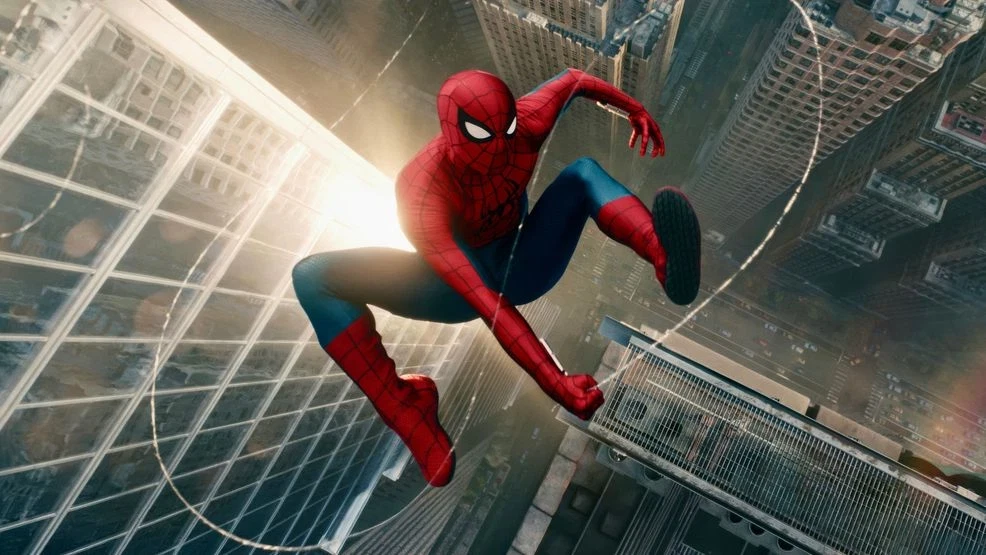
Spider-Man’s webs become a beautiful metaphor from this perspective.
Webs connect.
But connecting and holding on are not the same thing.
This is what Peter needs to learn:
To be able to leave the person you love free to choose you.
This does not mean giving up on love.
On the contrary, it means accepting that love does not create a property right over another person.
Of course, there is a romantic side to this, but there is also a painful one. Because letting someone go does not become easier because we love them less.
Sometimes, on the contrary, it becomes possible because we love them enough not to imprison them inside our own desire.
One of the hardest questions a person can ask themselves is this:
Can we love someone without possessing them?
Peter’s story does not give a definite answer to this question.
And that is what makes it beautiful.
Because some questions are more valuable than their answers.
The hero’s real test begins here.
Looking outward to save the world may be easy.
But can a person look at the shadow within themselves?
Can they accept that they cannot bring back what they have lost?
Can they allow the person they love to build another life?
And despite all of this, can they understand that they do not have to deny the love they experienced?
A New Day
We can think about Campbell’s idea of the return here once again.
The hero does not return to where they began as the same person.
What they experience changes them.
That is Peter’s “new day.”
Not erasing the past.
Not bringing the past back either.
Remembering the past and continuing forward.
At the beginning of the film, forgetting seems like a possibility for salvation. But toward the end, we begin to sense that something else might be possible:
A person can move forward without running away from their past.
The question is not whether to choose between forgetting and remembering.
The question is learning how to live with what we remember.
Because some people leave our lives without ever completely leaving us.
Some stories end without ceasing to have been lived.
Some loves do not find their way back to us, but that does not mean they never existed.
That is why Peter’s new day feels more like an acceptance to me than a beginning.
Not a beginning in which everything will become the way it used to be.
A beginning in which he can continue knowing that it will never be the way it used to be.
Spider-Man’s webs connect not only two people, but an entire city.
Perhaps that is what heroism is:
Being able to hold on even to those who did not choose us.
That is also what we expect from heroes.
They do not only show us how to be strong. They remind us that vulnerability is also part of being human.
They tell us that we can carry our past without having to live inside it.
To love a hero is, in some way, to love that possibility within ourselves.
To love Spider-Man is to love vulnerability.
It is to feel close to an imperfect hero.
It is to care about the traces that memory and the past leave on a person.
And most importantly, to consider the possibility that love does not always mean possession.
Because Spider-Man’s webs connect people to one another.
What Peter Parker needs to learn is the difference between connecting and holding on.
This is the hardest thing heroes teach us:
Loving someone does not always mean possessing them.
Real heroism begins not only with saving the world, but with learning how to remain human after losing something we loved.
Bağ Kurmak mı, Bağlamak mı?
Not: Bu yazı filmin bazı sahnelerinden (özellikle MJ ile ilgili gelişmelerden) açıkça bahsediyor. Filmi henüz izlemediyseniz devam etmeden önce bunu bilin.
Unutmanın İkiliği
İnsanların hangi kahramanı sevdiğine hiç dikkat ettiniz mi? Bir insanın hangi kahramanı sevdiğini sorsak, aslında biraz da kendisine dair bir şey sormuş oluruz. Çünkü kahramanları yalnızca güçlü oldukları için sevmiyoruz. Bazen kendimizde görmek istediğimiz bir ihtimali onların yüzünde görüyoruz; bazen de kendimizde var olduğunu bilmediğimiz bir tarafı. Gölge tarafımızı.
Spider-Man: Brand New Day‘in bana en başta düşündürdüğü şey “unutmak” oldu. Ama yazı ilerledikçe asıl sorunun başka bir yerde durduğunu fark ettim: Unutmak ya da hatırlamak, sonunda hep aynı soruya çıkıyor. Hatırladığımız insan üzerinde ne tür bir hak iddia ediyoruz?
Peter Parker’ın hikâyesinde unutmak basit bir kurtuluş değildir. Bir şeyi unutmak, bazen ondan kurtulmak gibi görünür. Ama insan gerçekten unutunca özgürleşir mi? Yoksa bazı şeyler hatırlanmadığında değil, hatırlandığında mı anlam kazanır?
Peter, MJ’yi hatırlıyor.
Ama MJ onu hatırlamıyor.
Filmin bütün duygusal ağırlığı bu asimetrinin içinde oluşuyor.
Gölgeyle Yüzleşmek
Spider-Man’e baktığımda beni en çok ilgilendiren şey onun kusursuz bir kahraman olmaması. Peter Parker korkuyor, hata yapıyor, kaybediyor, özlüyor. Dünyayı kurtarmaya çalışırken bir yandan kendi hayatını anlamlandırmaya çalışıyor. Maskenin altında hâlâ Peter var. Onu bu kadar insani yapan şey tam olarak bu: Kahraman olmak, insan olmaktan vazgeçmek anlamına gelmiyor.
Jung’un “gölge” kavramı burada güzel bir kapı açıyor. Gölge, kendimizde görmek istemediğimiz, bastırdığımız ya da kabul etmekte zorlandığımız taraflarımızı taşır. Ama gölge yalnızca karanlık değildir. Bazen korkumuzdur, bazen kıskançlığımız, bazen yalnızlığımız, bazen de kaybetmek istemediğimiz bir geçmiş. İnsan kendini, gölgesini yok ederek değil, onunla karşılaşarak tanıyor.
Peter Parker’ın gölgesi de bana biraz böyle geliyor. Kaybetmek istemeyen Peter, özleyen Peter, geçmişe tutunan Peter, içinden “Neden ben değilim?” diye soran Peter… Kahramanlık, bu duygulara sahip olmamak değil. Onlarla ne yapacağını öğrenmek.
Gölgeyi yalnızca kırılganlık olarak anlatmak, onu fazla sevimli hale getirmek olur. Jung’un kavramını rahatsız edici kılan şey, orada bulduğumuzun çoğu zaman ahlaken hoşumuza gitmemesidir.
Peter’ın gölgesinde sadece özlem yok. MJ’nin mutlu olmasını istemeyen bir yan da var. Sevdiğimiz insanın bizsiz iyi olması, içimizde sessiz bir ihanet duygusu uyandırabiliyor: Madem bu kadar önemliydik, nasıl oluyor da o hayat bizsiz kuruluyor? Bunu itiraf etmek zordur, çünkü sevgimizin iyiliğine olan inancımızı zedeler. Kimse sevdiği insanın hayatını bir eksiklik olarak hayal ettiğini kabul etmek istemez.
Oysa gölgeyle karşılaşmak tam olarak budur: İyi niyetimizin altında, karşımızdakinin mutluluğuyla yarışan bir arzunun da olduğunu görmek. Peter’ın asıl sınavı bu arzuyu yok etmek değil, onun sevgiyle karıştırılmasına izin vermemek.
Peter’ın gölgesini yalnızca aşk ve kıskançlık üzerinden okumak eksik kalır. Çünkü Spider-Man’i diğer kahramanlardan ayıran şey önce gücü değil, o gücün getirdiği yüktür.
Ben Amca’nın ölümünden bu yana Peter’ın hikâyesi, sevdiklerine yaklaştığı her an onları tehlikeye attığını bilen birinin hikâyesidir. Bu yüzden MJ’nin onu hatırlamıyor oluşu yalnızca duygusal bir kayıp değil; belki de bu yükün sessizce ödenen bedelidir. Peter kimseye anlatamadığı bir fedakârlığın içinde yaşıyor — ve anlatamamak da bu fedakârlığın bir parçası.
Joseph Campbell’ın kahramanın yolculuğuna ilişkin düşüncesi de burada anlam kazanıyor. Kahramanın yolculuğu yalnızca dışarıda gerçekleşen bir macera değildir. Kahraman alıştığı dünyadan çıkar, sınavlardan geçer ve döndüğünde artık aynı insan değildir. Peter’ın yolculuğundaki en zor sınav da her zaman bir düşmanı yenmek değil. İnsanın en büyük mücadelesi çoğu zaman kendisiyle yaşamayı öğrenmesidir.
Sevmek mi, Sahiplenmek mi?
Peter, MJ’yi hâlâ hatırlıyor. Bir zamanlar birlikte yaşadıkları hikâye, artık yalnızca onun hafızasında varlığını sürdürüyor. Sonra onu görmeye gidiyor. Ama MJ’nin artık başka bir hayatı var. Başka biri var.
Sahnenin ağırlığı tam burada başlıyor. Çünkü bazen bir insanı kaybettiğimizi, onu kaybettiğimiz anda değil, onun hayatının bizden bağımsız biçimde devam ettiğini gördüğümüzde anlıyoruz.
Ve insan kendine şu soruyu soruyor:
Sevdiğimiz insan artık bizimle değilse, onu sevmeyi bırakmak zorunda mıyız?
Daha zorunu soralım: Sevdiğimiz insanın hayatında artık başka biri varsa, onu hâlâ sevebilir miyiz?
Aşkın en zor taraflarından biri burada başlıyor. Sevgi ile sahip olma arasındaki sınır, düşündüğümüzden daha ince. Birini sevmek, onun bizimle olmasını istemek olabilir. Ama onu sahiplenmek, onun hayatının bizim istediğimiz biçimde devam etmesini istemektir. Biri yakınlık arar; diğeri hak iddia eder. Aradaki fark küçük görünür ama insanın sevme biçimini değiştirecek kadar büyüktür.
Peter’ın MJ için yazdığı ama göndermediği mektup bu yüzden bana önemli geliyor. O mektup yalnızca bir aşk mektubu değil. Bir tür tanıklık. “Biz bunu yaşadık.”
Çünkü bazı ilişkiler bittiklerinde yok olmazlar. Birlikte yaşanan zaman, insanın geçmişinde bir yere yerleşir. Karşımızdaki insan artık bizi hatırlamasa bile, bizim hayatımızdaki izi ortadan kalkmaz. Hafıza da sevginin biçimlerinden biridir.
Peter’ın acısı biraz da burada: Kendi geçmişini taşıyor ama o geçmişi paylaşan insan artık aynı geçmişe sahip değil. Ve onun öğrenmesi gereken şey geçmişi geri getirmek değil; geçmişin artık geri gelmeyeceğini kabul etmek.
Mektubun gönderilmemiş olması da bu yüzden anlamlı. Gönderilmiş bir mektup bir talepti. Gönderilmeyen mektup bir tanıklık olarak kalıyor. İnsan bazen sevdiği kişiyi değil, onun kendi hayatındaki yerini kaybetmekten korkuyor. Olgunlaşmak, tam da bu ikisini birbirinden ayırabilmek. Sevdiğimiz kişinin bizimle olmasını istemek başka; onun yalnızca bizim istediğimiz biçimde yaşamasını istemek başka.
Sevmek bağ kurmaktır. Sahip olmak bağlamaktır.
Spider-Man’in ağları da bu açıdan güzel bir metafora dönüşüyor. Ağlar birbirine bağlar. Ama bağ kurmakla bağlamak aynı şey değildir. Peter’ın öğrenmesi gereken de budur: Sevdiğin kişiyi, seni seçmesi için özgür bırakabilmek.
Bu, sevgiden vazgeçmek anlamına gelmez. Tam tersine, sevginin karşımızdaki insan üzerinde bir mülkiyet hakkı yaratmadığını kabul etmektir. Elbette bunun romantik bir tarafı olduğu kadar acı veren bir tarafı da var. Çünkü birini özgür bırakmak, onu daha az sevdiğimiz için kolaylaşmıyor. Bazen tam tersine, onu kendi arzumuzun içine hapsetmeyecek kadar sevdiğimiz için mümkün oluyor.
İnsanın kendisine sorabileceği en zor sorulardan biri bu:
Birini, ona sahip olmadan sevebilir miyiz?
Peter’ın hikâyesi bu soruya kesin bir cevap vermiyor. Güzel olan da bu. Çünkü bazı soruların değeri, cevaplarından daha büyük. Kahramanın gerçek sınavı da burada başlıyor. Dünyayı kurtarmak için dışarıya bakmak kolay olabilir. Peki insan kendi içindeki gölgeye bakabilir mi? Kaybettiği şeyi geri getiremeyeceğini kabul edebilir mi? Sevdiği insanın başka bir hayat kurmasına izin verebilir mi? Ve bütün bunlara rağmen, yaşadığı sevgiyi inkâr etmek zorunda olmadığını anlayabilir mi?
Yeni Gün
Campbell’ın sözünü ettiği dönüşü burada yeniden düşünebiliriz. Kahraman yolculuğun sonunda başladığı yere aynı insan olarak dönmez. Yaşadıkları onu değiştirir.
Peter’ın “yeni günü” de budur. Geçmişi silmek değil. Geçmişi geri getirmek de değil. Geçmişi hatırlayarak devam etmek.
Filmin başında unutmak bir kurtuluş ihtimali gibi görünürken, sona doğru başka bir şeyin mümkün olduğunu hissederiz: İnsan geçmişinden kaçmadan da yoluna devam edebilir. Mesele unutmak ya da hatırlamak arasında bir seçim yapmak değil. Mesele, hatırladıklarımızla nasıl yaşayacağımızı öğrenmek.
Çünkü bazı insanlar hayatımızdan çıkar ama bizden tamamen çıkmaz. Bazı hikâyeler biter ama yaşanmış olmaktan vazgeçmez. Bazı sevgiler karşılığını bulmaz ama bu, onların hiç var olmadığı anlamına gelmez.
Peter’ın yeni günü bu yüzden bana bir başlangıçtan çok bir kabulleniş gibi geliyor. Her şeyin yeniden eskisi gibi olacağı bir başlangıç değil. Eskisi gibi olmayacağını bilerek devam edebilmenin başlangıcı.
Spider-Man’in ağları yalnızca iki kişiyi değil, bir şehri de birbirine bağlar. Belki kahramanlık da budur: Bizi seçmemiş olanlara da tutunabilmek.
Hepimizin kahramanlardan beklediği şey biraz da bu. Onlar bize yalnızca güçlü olmayı göstermiyor. Kırılgan olmanın da insan olmanın bir parçası olduğunu hatırlatıyorlar. Geçmişimizi taşıyabileceğimizi ama onun içinde yaşamak zorunda olmadığımızı söylüyorlar.
Bir kahramanı sevmek, biraz da kendimizdeki o ihtimali sevmektir. Spider-Man’i sevmek kırılganlığı sevmektir. Kusursuz olmayan bir kahramana yakınlık duymaktır. Hafızanın ve geçmişin insan üzerindeki izlerini önemsemektir.
Ve en önemlisi, sevginin her zaman sahip olmak anlamına gelmediğini düşünmektir. Çünkü Spider-Man’in ağları insanları birbirine bağlar. Peter Parker’ın öğrenmesi gereken şeyse bağ kurmakla bağlamak arasındaki farktır.
Kahramanların bize öğrettiği en zor şey budur:
Birini sevmek, her zaman ona sahip olmak anlamına gelmez.
Asıl kahramanlık da dünyayı kurtarmadan önce, kaybettiğimiz bir şeyin ardından nasıl insan kalacağımızı öğrenmektir.