
The Story We Tell Ourselves
Odysseus, Love, and Fate
Why do we tell stories?
Perhaps so we do not forget what we have lived through. Or perhaps so we can make sense of what has happened to us.
The moments that make up a life often seem disconnected while we are living them:
an encounter,
a loss,
a fear,
a long wait,
or a love.
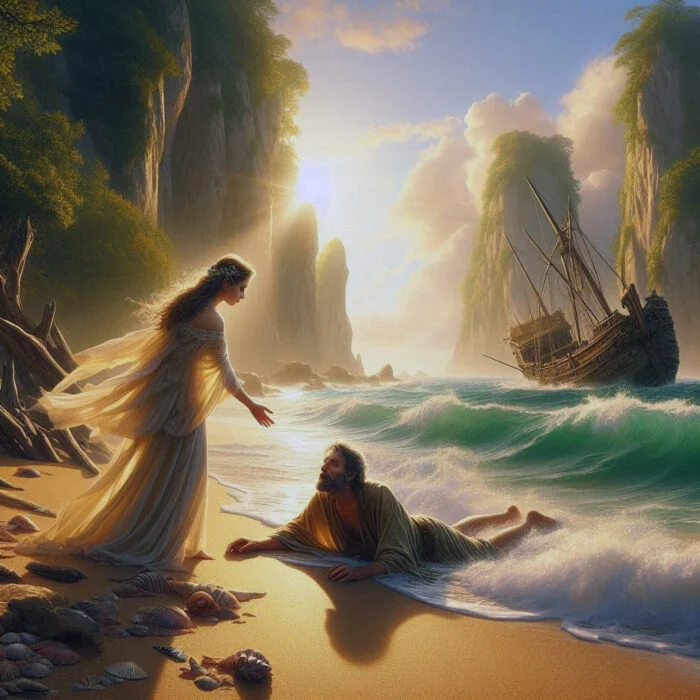
But with time, when we look back, we begin to draw connections between these fragments and ask:
What was all of this?
This is perhaps where storytelling begins. Because when we put our past into words, we do more than remember it; we give it a shape. An encounter can become a beginning, a loss a turning point, a love the hidden axis of a life. In this way, it is not only what we experience that shapes us, but also the meaning we give to it.
Thousands of years ago, we find one of the oldest examples of this in Homer’s Odysseus. He is a man who sets out to sea on his way home from war, loses his way for years, and encounters gods, monsters, and his own desires along the way. Yet the Odyssey is not simply a story about what happens to him.
Odysseus is also the one who tells the story of what he has lived through.
That is why his journey is not merely a journey from one place to another. When a person tells the story of their life, they also reinterpret themselves.
And this is where the Sirens appear.
Homer’s Sirens are not merely creatures with a deadly song. Their real allure lies in their claim to know everything. They know the past: Troy, what happened there, the suffering of those who lived through it… They promise Odysseus that they can tell his own story better than he can.
As if they were saying:
Come. Let us tell you who you are.
Odysseus wants to hear that voice. But he also knows himself. So he has himself tied to the mast. He does not silence the Sirens; he listens to them. But he does not allow the voice he hears to take him off his course.
There is a powerful idea about our relationship with the past in this scene:
Listening to our past is one thing. Continuing to live inside it is another.
In Nolan’s film, the meaning of the Sirens takes on a more personal resonance. Their song evokes not only the knowledge of the past, but also the longing for what has been lost. Sometimes we do not miss a particular time, person, or love. We miss who we were within that love. We want to hear again the possibility of a life that once seemed possible.

Perhaps the song of the Sirens is the voice of exactly that desire:
Come back. Live it once more.
And yet, life does not go backward.
Odysseus tying himself to the mast is therefore not simply a way of protecting himself from danger. It is a way of not losing himself while moving through desire. He can listen without surrendering. He can remember without having to return.
Love itself contains a similar contradiction.
In the Odyssey, there is Penelope’s love that endures through the years; a bond tested by absence and sustained through waiting. Calypso represents an entirely different possibility: the allure of staying, of stopping time, of forgetting the past and the future for a moment. And in the Sirens’ song, there is the desire for something that can no longer be reached.
That is why Odysseus’ trial is not simply about knowing where to go. It is about knowing what he loves, and understanding where that love is taking him.
Because love can sometimes set us on a path, and sometimes lead us away from it. Sometimes it binds us to another person; sometimes it changes everything we thought we knew about ourselves. And sometimes, it becomes the very desire to return home.
This is also why the women in Odysseus’ journey are so significant.
Athena gives him direction and reason. Circe carries the knowledge of transformation and the unknown. Calypso opens up the possibility of a life suspended between staying and leaving. And Penelope, at the end of the journey, is not merely the one who waits; she is the one who gives meaning to who Odysseus has become when he returns.
These four women appear at different thresholds of his journey. Each allows Odysseus to see himself from another angle.
Perhaps we never discover ourselves entirely on our own. Another person’s gaze, a love, a separation, or the silence of someone waiting for us can reveal something about ourselves that we did not know was there.

Some people enter our lives not to show us a path, but to show us ourselves.
That is why it would be incomplete to read Odysseus’ journey simply as the hero’s return home.
What changes along the way is not only the geography. He changes too. Every person he encounters, every loss, every desire transforms, little by little, the story he tells about who he is.
This is where Nietzsche’s idea of amor fati also begins to make sense.
To love fate does not mean loving everything that happens to us. It does not mean glorifying our suffering or accepting our mistakes as right. It is a more difficult form of acceptance:
“This, too, is my life.”
There is love in that sentence, but also loss. Regret, but also joy.
We cannot change the past. But we can change our relationship with it.
Perhaps this is what healing really is.
Not erasing what happened, but learning to live with it differently. Preserving the meaning a love left behind even after it has ended. Seeing a loss not merely as an absence, but as an experience that transformed us. Finding, for the first time, a different way to tell a sentence we have been repeating to ourselves for years.
Because a story does not change what happened.
But it can change how we live with it.
Perhaps this is why Odysseus has remained with us from Homer to Nolan. Every age finds something of itself in his journey. The Sirens change, the sea changes, our fears and desires change; but one question remains:
Are we telling the story of the life we have lived, or are we creating ourselves through the way we tell it?
When the Sirens have passed, what remains is not only silence. The echo of what we heard remains within us too.
The memory of a love.
The trace of a loss.
The knowledge of a journey.
And perhaps, after all of this, a voice that can finally be distinguished from the voices of others.
Our own voice.
We did not choose the whole of our lives. Most of the time, we did not even choose how they began. But we are not entirely powerless over the meaning we give to what we have lived through.
Perhaps this is where human freedom begins.
Not in rewriting the past, but in looking at it and choosing which sentence we will write next.
The Sirens have passed.
Odysseus continues on his way.
And perhaps, at the end of the journey, the one who returns home is not merely a man.
It is someone who can finally tell the story of what he has lived through in a different way.

Kendimize Anlattığımız Hikâye
Odysseus, Aşk ve Kader Üzerine
İnsan neden hikâye anlatır?
Belki yaşadıklarını unutmamak, belki de başına gelenlere bir anlam verebilmek için.
Hayatın içinden geçen anlar, yaşandıkları sırada birbirinden kopuk görünür:
bir karşılaşma,
bir kayıp,
bir korku,
uzun bir bekleyiş
ya da bir aşk.
Ancak insan zamanla geriye dönüp baktığında bu parçalar arasında bağlar kurmaya başlar ve sorar:
Bütün bunlar neydi?
Anlatmak biraz da burada başlar. Çünkü insan geçmişini dile getirirken yalnızca hatırlamaz; ona bir biçim verir. Bir karşılaşmayı başlangıç, bir kaybı dönüm noktası, bir aşkı hayatının gizli ekseni haline getirebilir. Böylece yaşadıklarımız kadar, onlara verdiğimiz anlam da bizi biçimlendirir.
Binlerce yıl önce Homeros’un anlattığı Odysseus’ta bunun çok eski bir örneğini buluruz. Savaştan dönerken denize açılan, yıllarca yolunu kaybeden, tanrılarla, canavarlarla ve kendi arzularıyla karşılaşan bir adamdır o. Fakat Odysseia yalnızca onun başından geçenlerin anlatısı değildir.
Odysseus aynı zamanda kendi yaşadıklarını anlatan kişidir.
Bu yüzden onun yolculuğu yalnızca bir yerden başka bir yere gitmek değildir. İnsan, yaşadığı hayatı anlatırken kendisini de yeniden anlamlandırır.
Tam burada Sirenler çıkar karşımıza.
Homeros’un Sirenleri yalnızca ölümcül bir şarkının sahipleri değildir. Onların cazibesi, her şeyi bildiklerini söylemelerinden gelir. Geçmişi bilirler; Troya’yı, orada yaşananları, insanların acılarını… Odysseus’a kendi hikâyesini ondan daha iyi anlatabileceklerini vaat ederler.
Sanki şöyle derler:
Gel. Sana kim olduğunu söyleyelim.
Odysseus bu sesi duymak ister. Fakat kendisini de bilir. Bu yüzden direğe bağlanır. Sirenleri susturmaz; onları dinler. Fakat duyduğu sesin onu yolundan çıkarmasına izin vermez.
Bu sahnede insanın geçmişiyle ilişkisine dair güçlü bir düşünce vardır:
Geçmişimizi dinlemek başka, onun içinde yaşamaya devam etmek başka.
Nolan’ın filminde Sirenlerin anlamı daha kişisel bir yankı kazanır. Şarkı yalnızca geçmişin bilgisini değil, kaybedilmiş olana duyulan özlemi de çağrıştırır. İnsan bazen bir zamanı, bir insanı, bir aşkı değil, o aşkın içindeki kendisini özler. Bir zamanlar mümkün olan bir hayatı yeniden duyabilmek ister.
Sirenlerin şarkısı belki de tam bu arzunun sesidir:
Geri dön. Bir kez daha yaşa.
Oysa hayat geri dönmez.
Odysseus’un direğe bağlanması bu nedenle yalnızca kendisini tehlikeden koruması değildir. Arzunun içinden geçerken kendisini kaybetmemek için aldığı bir önlemdir. Dinleyebilir; fakat teslim olmak zorunda değildir. Hatırlayabilir; fakat geçmişe dönmek zorunda değildir.
Aşkın kendisinde de benzer bir ikilik vardır.
Odysseia‘da Penelope’nin yıllara direnen sevgisi bulunur; yoklukla sınanan, bekleyiş içinde varlığını sürdüren bir bağ. Calypso ise bambaşka bir ihtimali temsil eder: kalmanın, zamanı durdurmanın, geçmişi ve geleceği bir an için unutmanın cazibesi. Sirenlerin şarkısında ise ulaşılması artık mümkün olmayan şeye duyulan arzu vardır.
Bu yüzden Odysseus’un sınavı yalnızca nereye gideceğini bilmek değildir. Neyi sevdiğini ve sevginin kendisini nereye götürdüğünü ayırt edebilmektir.
Çünkü aşk bazen insanı yola çıkarır, bazen yolundan eder. Bazen bir başkasına bağlar; bazen insanın kendisi hakkında bildiği her şeyi değiştirir. Ve kimi zaman, insanın eve dönme arzusunun kendisi haline gelir.
Odysseus’un yolculuğunda kadınların bu kadar belirleyici olması da bu yüzden önemlidir.
Athena ona yön ve akıl verir. Circe, dönüşümün ve bilinmeyenin bilgisini taşır. Calypso, kalmakla gitmek arasında bir hayat ihtimalini açar. Penelope ise dönüşün sonunda yalnızca bekleyen kişi değildir; Odysseus’un kim olarak döndüğünü anlamlandıran kişidir.
Bu dört kadın, onun yolculuğunun farklı eşiklerinde karşısına çıkar. Her biri Odysseus’un kendisine başka bir yerden bakmasını sağlar.
Belki insan kendisini hiçbir zaman yalnız başına keşfetmez. Bir başkasının bakışı, bir aşk, bir ayrılık ya da bizi bekleyen birinin sessizliği, hakkımızda bilmediğimiz bir şeyi görünür kılabilir.
Hayatımıza giren bazı insanlar bize bir yol göstermez; bize kendimizi gösterir.
Bu nedenle Odysseus’un yolculuğunu yalnızca kahramanın eve dönüşü olarak okumak eksik kalır.
Yol boyunca değişen, yalnızca coğrafya değildir. Onun kendisi de değişir. Karşılaştığı her insan, her kayıp ve her arzu, kim olduğuna dair anlatıyı biraz daha dönüştürür.
Burada Nietzsche’nin amor fati düşüncesi de anlam kazanır.
Kaderi sevmek, başımıza gelen her şeyi sevmek değildir. Yaşadığımız acıları kutsamak ya da yanlışları doğru kabul etmek hiç değildir. Daha zor bir kabulleniştir:
“Bu da benim hayatım.”
Bu cümlenin içinde aşk da vardır, kayıp da. Pişmanlık da, sevinç de.
İnsan geçmişi değiştiremez; fakat geçmişle kurduğu ilişkiyi değiştirebilir.
Belki iyileşmek tam olarak budur.
Yaşananı silmek değil, onunla başka türlü yaşayabilmek. Bir aşkın bitmiş olmasına rağmen hayatımızda bıraktığı anlamı koruyabilmek. Bir kaybı yalnızca eksiklik olarak değil, bizi dönüştüren bir deneyim olarak görebilmek. Kendimize yıllardır anlattığımız bir cümleyi ilk kez başka türlü kurabilmek.
Çünkü hikâye olanı değiştirmez.
Ama onunla nasıl yaşayacağımızı değiştirebilir.
Belki Homeros’tan Nolan’a kadar Odysseus’un hâlâ bizimle olmasının nedeni budur. Her çağ onun yolculuğunda kendisine ait bir şey bulur. Sirenler değişir, deniz değişir, insanın korkuları ve arzuları değişir; fakat bir soru kalır:
Yaşadığımız hayatı mı anlatıyoruz, yoksa onu anlatma biçimimizle kendimizi mi kuruyoruz?
Sirenler geçtikten sonra geriye yalnızca sessizlik kalmaz. Dinlediğimiz şeyin içimizde bıraktığı yankı da kalır.
Bir aşkın hatırası.
Bir kaybın izi.
Bir yolculuğun bilgisi.
Ve belki bütün bunların ardından, başkalarının seslerinden ayrışan bir ses.
Kendi sesimiz.
Kendi hayatımızın bütününü biz seçmedik. Başlangıcını da çoğu zaman seçmedik. Fakat yaşadıklarımıza hangi anlamı vereceğimiz konusunda bütünüyle çaresiz değiliz.
Belki insanın özgürlüğü burada başlar.
Geçmişini yeniden yazmakta değil; ona bakıp, bundan sonra hangi cümleyi kuracağını seçebilmekte.
Sirenler geçmiştir.
Odysseus yoluna devam eder.
Ve belki yolculuğun sonunda eve dönen yalnızca bir adam değildir.
Yaşadıklarını artık başka türlü anlatabilen biridir.